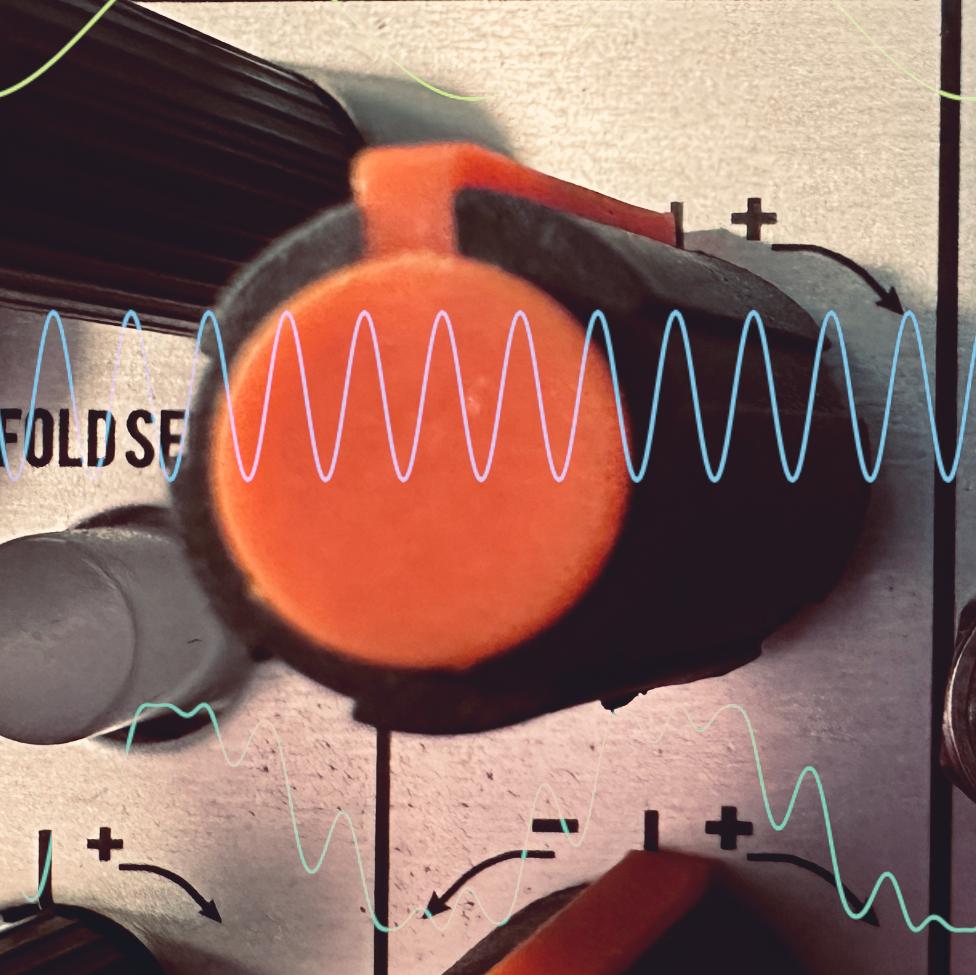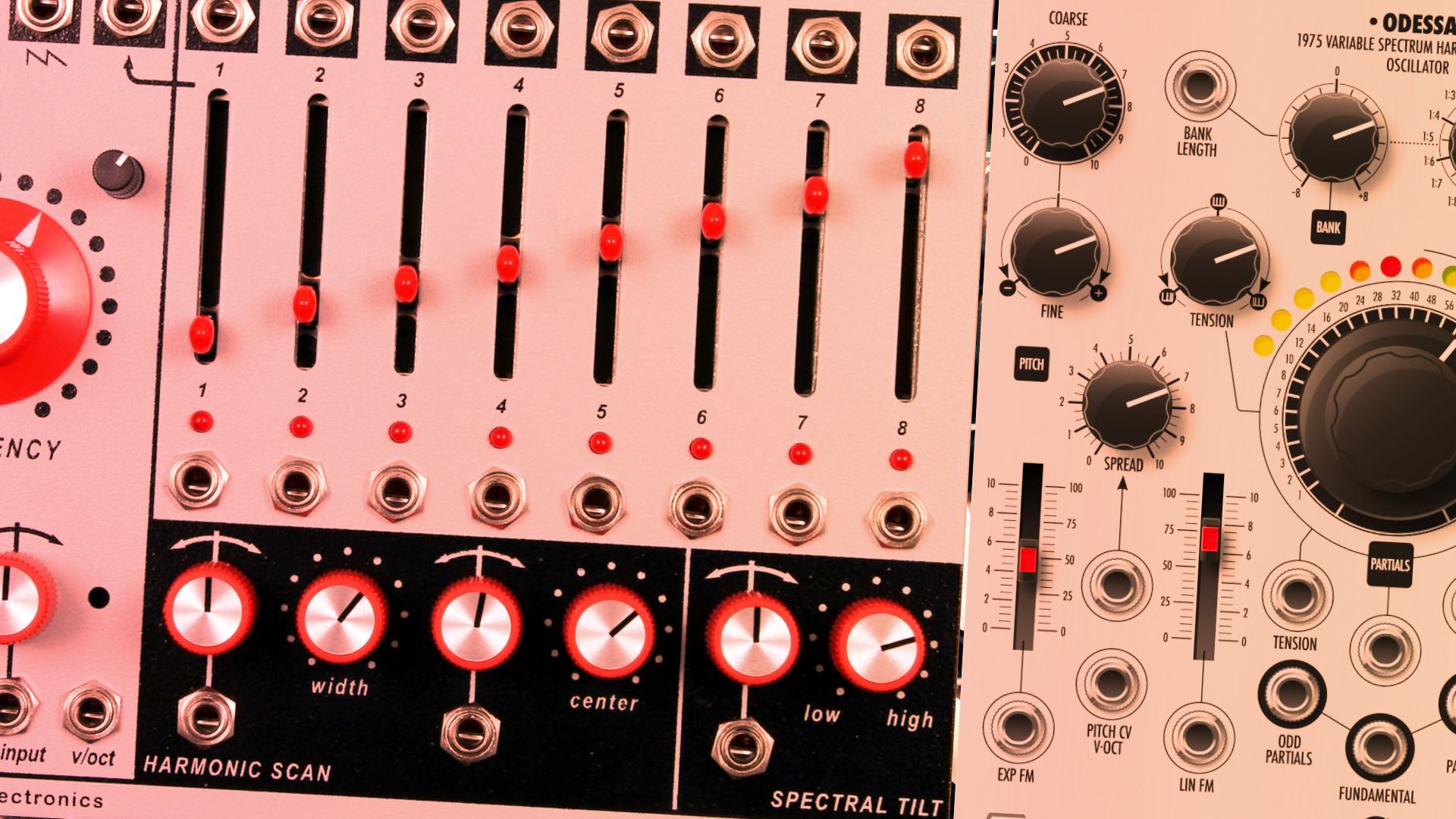
Timbre is the texture or character of a sound that sets it apart from others, even when they have the same pitch and loudness. It is shaped mainly by harmonic content and the relative amplitudes of those harmonics, and also by how the sound starts and changes over time.
Examples
- A flute and a violin playing the same note at the same volume sound different because their timbres are different.
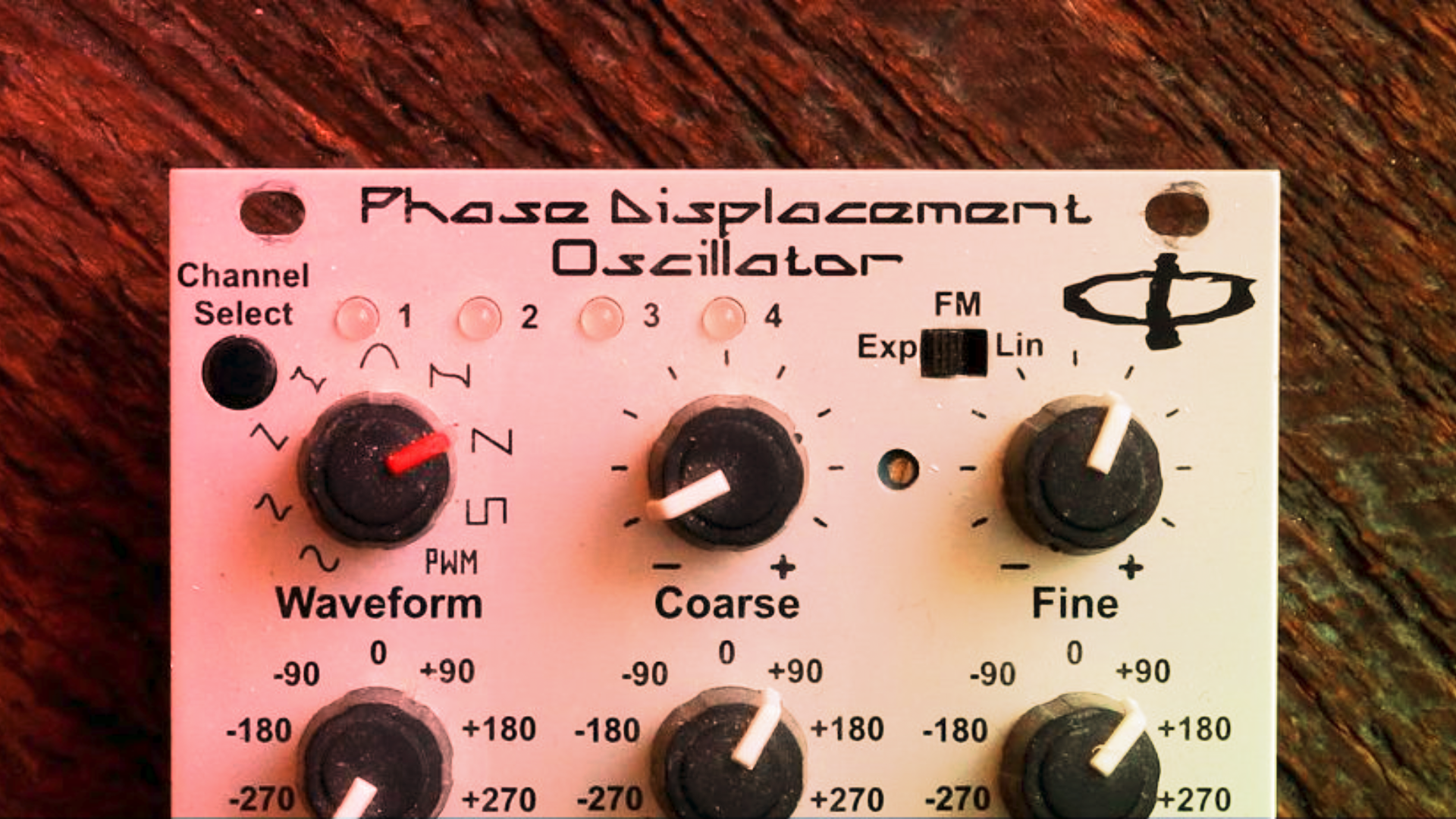
- A sawtooth wave has a bright, brassy timbre because of its dense harmonic content, while a sine wave has a pure, smooth timbre because it has no added harmonics.
Timbre is what gives instruments, voices, and synthesized tones their individual identity.